Gaza Election: Residents Await Tuesday Ballot Amid 65 Percent Control
With Israeli forces holding two-thirds of the territory, Palestinians in Gaza monitor the vote with anxiety over displacement and reconstruction timelines.
By Christopher Hayes ·
The ceasefire in Gaza has held since October 2025, yet residents face daily air strikes and supply shortages. On Tuesday, Palestinians in the territory will watch Israeli voters cast ballots for a new government.
Israelis are voting against the backdrop of a war that has reshaped political dynamics. Prime Minister Benjamin Netanyahu faces criticism for his security strategy prior to the October 7, 2023, attacks. Members of his far-right cabinet have pushed for stricter measures, including the expulsion of Gaza’s population.
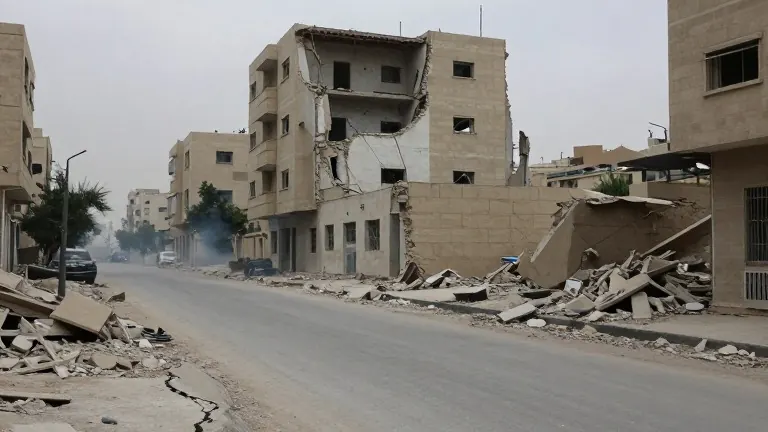
Residents say the outcome will determine their immediate future. Israel currently controls approximately 65 percent of Gaza within the designated Yellow Line. More than 80 percent of buildings in the territory have sustained damage. About two-thirds of those structures are completely destroyed.
Mohammed Eliyan, 36, lives in Deir el-Balah with his five children after being displaced from the Jabalia refugee camp. He supports Gadi Eisenkot, a former military commander and Netanyahu's main rival. Eliyan fears a second term for Likud and its allies would lead to more displacement. He stated, “They are still our enemy, and I don't expect things to improve dramatically.”
Islam Salem, 41, believes the election primarily serves Israeli interests. He argues that the approach to Gaza will remain consistent regardless of who wins. Salem doubts reconstruction will begin soon given the extent of the destruction. He noted, “We live day by day. Everything we feared has already happened.”
Hanan Abu al-Maaza, 57, has been displaced more than 12 times during the conflict. She dreads worse treatment from the next government. Abu al-Maaza believes a Netanyahu loss offers a better chance for her to return to her home in Beit Lahiya. She said, “We have had enough of war and destruction.”
Manar Owaida, 23, and Mousa Ali, 33, share similar concerns about the Yellow Line and displacement. Owaida fears Netanyahu might launch a wider regional war to ease domestic pressure. Ali hopes Arab parties gain enough seats to influence the next government. Both men expect the next leader to end the bloodshed and allow displaced families to return to safety.
Source: Al Jazeera